
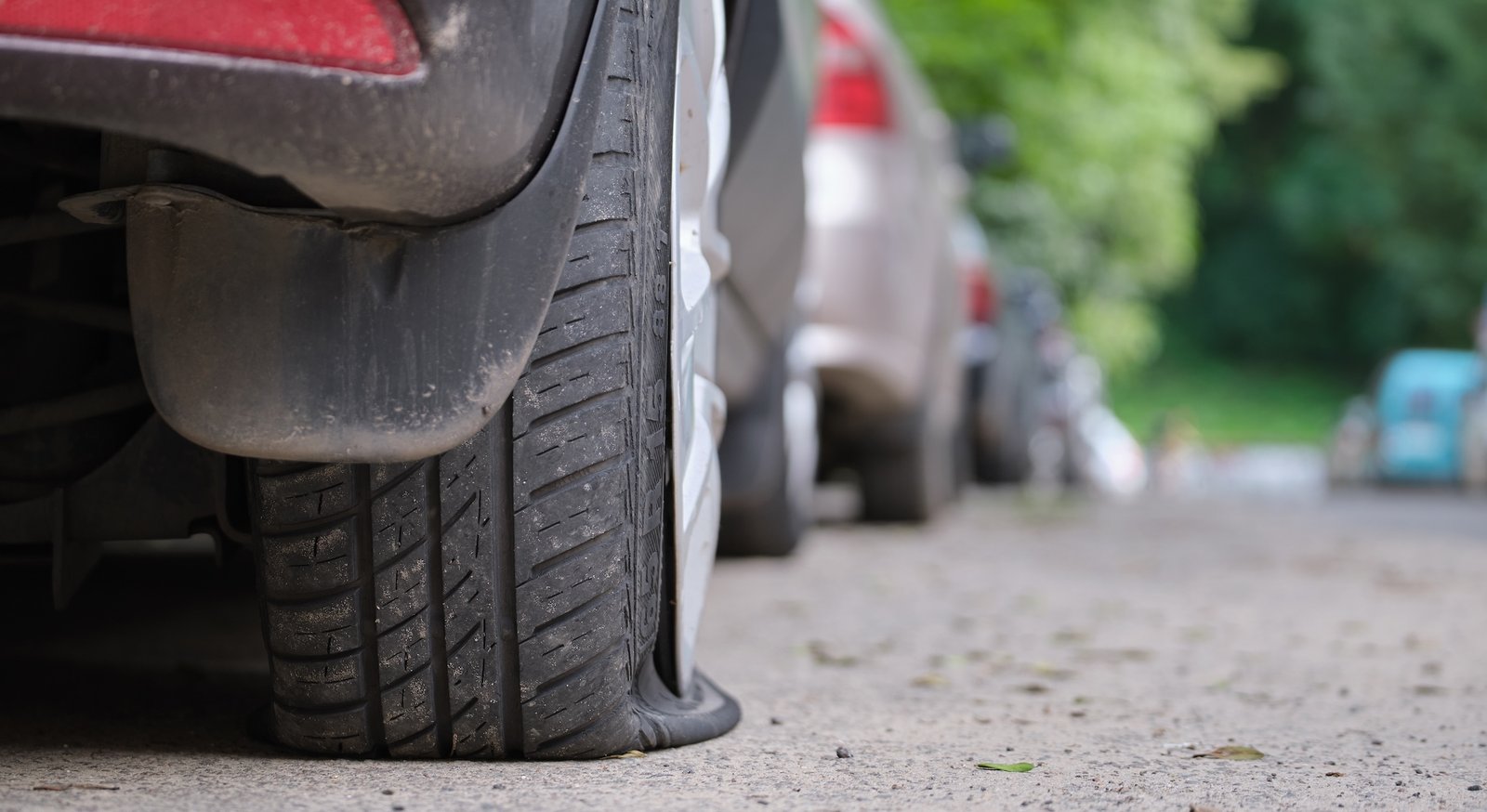
Between the Verrazzano, Hylan Boulevard traffic, and pothole-scarred side streets, Staten Island drivers cover a lot of pavement every summer. What many drivers do not realize is that hot asphalt changes the way tires behave, and a tire that was perfectly fine in the spring can become a real hazard once the pavement heats up. In this month’s blog post, we examine how summer heat can affect your tires, what to look for, and ways to extend the life of your vehicle’s tires.
How Heat Affects Tires
A tire is a sealed unit of rubber and air, and that air expands as temperatures rise. Hot pavement adds even more heat directly into the rubber itself. A tire that is already low on air, worn down, or carrying a hidden weak spot has much less room for error once summer heat is added to the mix.
Common Issues
- Overinflation and underinflation: Both extremes become more common in summer, since air pressure naturally rises with heat, and a tire that was fine in cooler months can end up over the recommended pressure.
- Blowouts: Hot pavement combined with an underinflated or aging tire is one of the leading causes of summer blowouts on the highway.
- Sidewall damage: Potholes and curb strikes from the winter and spring can leave hidden bulges or weak spots that only fail once heat and highway speed are added.
Signs and Causes to Watch For
- Bulges or bubbles: A raised spot on the sidewall means the internal structure of the tire has been damaged and it should be replaced.
- Vibration at highway speed: This can point to an imbalance or a tire that is beginning to separate internally.
- Low tread: A tire with tread depth below two thirty seconds of an inch loses grip quickly, especially in sudden summer downpours.
- Tire pressure warning light: This light means at least one tire has fallen outside the proper range and should be checked right away.
What Repair Looks Like
A technician will check tire pressure across all four tires and adjust to the manufacturer’s recommended level, measure tread depth, and inspect each sidewall and tread area for bulges, cracks, or embedded debris. Depending on what is found, this may lead to a simple pressure adjustment, a tire rotation, or replacement of a damaged tire.
Preventative Maintenance
- Check tire pressure at least once a month, and always when the tires are cold, since heat from driving raises the reading.
- Have tires inspected for sidewall damage after hitting a pothole or curb, even if the tire looks fine at first.
- Rotate tires roughly every 5000-7500 miles for even wear.
- Replace tires that are more than six years old, regardless of how much tread remains, since rubber breaks down with age.
A quick tire check before your next trip across the bridge or down the Shore takes only a few minutes and can prevent a dangerous blowout later in the summer. Contact the service professionals at Colonial Service Station for an inspection of your vehicle’s tires.