
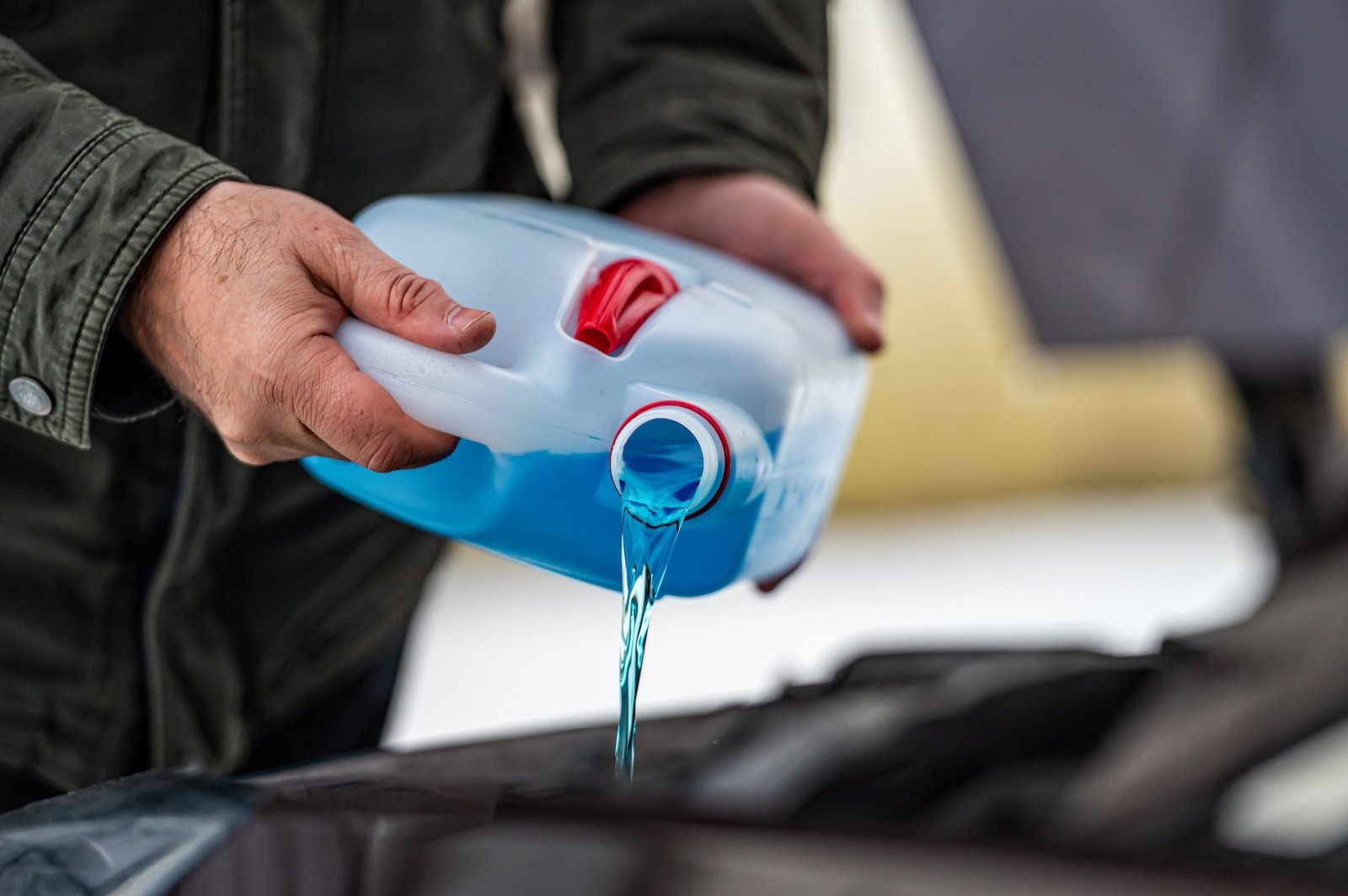
Drivers in Staten Island experience a wide range of temperatures throughout the year, from humid, high-heat summers to icy, salt-laden winters. These seasonal shifts place unique demands on a vehicle’s fluid systems. These systems are not passive components; they are engineered to regulate temperature, reduce friction, and maintain hydraulic integrity. As ambient conditions change, so do the physical properties of these fluids, which can compromise performance if not properly managed. In this month’s blog post, we address the demands that are placed on your vehicle’s fluids in the seasonal shift.
Engine Oil: Cold Flow and Thermal Stability
Engine oil viscosity is highly temperature dependent. In winter, low ambient temperatures increase oil resistance, delaying circulation and elevating startup wear. In summer, elevated engine bay temperatures can thin the oil, reducing its load-bearing capacity. Drivers in Staten Island should consider synthetic multi-grade oils (such as 0W-30 or 5W-40) with high viscosity index ratings and low pour points to ensure consistent lubrication across seasons. Always verify SAE grade compatibility with the vehicle’s engine specifications.
Transmission Fluid: Oxidation and Shift Calibration
Automatic transmission fluid (ATF) degrades under thermal stress. Prolonged exposure to summer heat—especially in stop-and-go traffic on the Staten Island Expressway—can accelerate oxidation, leading to varnish formation and impaired clutch engagement. In winter, fluid thickening may cause delayed or harsh shifts. Routine fluid analysis and replacement every 30,000 to 60,000 miles is recommended, especially for vehicles with towing or high-load duty cycles.
Coolant/Antifreeze: Heat Transfer and Freeze Protection
Coolant systems rely on a precise ethylene glycol-to-water ratio (typically 50/50) to maintain optimal heat exchange and prevent freezing. Staten Island winters can drop below 20 degrees Fahrenheit, making freeze protection critical. Over time, coolant loses its pH buffering capacity and corrosion inhibitors. A full system flush every two to five years helps prevent radiator scaling and water pump failure.
Brake Fluid: Hygroscopic Behavior and Boiling Point Integrity
Brake fluid absorbs atmospheric moisture, which lowers its boiling point and increases the risk of vapor lock under heavy braking. In winter, absorbed moisture can freeze in lines, compromising brake response. Staten Island’s coastal humidity accelerates this process. DOT 3 or DOT 4 fluid should be replaced every 24 months to maintain hydraulic reliability.
Windshield Washer Fluid: Freeze Point and Spray Performance
Summer washer fluid blends often lack antifreeze agents and can solidify in sub-freezing temperatures. Use winter-grade fluid with methanol or ethylene glycol additives to prevent reservoir and nozzle freeze-ups. Visibility is safety—especially during slushy winter commutes.
Schedule a Seasonal Fluid Audit
Before winter sets in or summer peaks, have a trusted service professional perform a full fluid inspection. Look for signs of contamination, degradation, or improper fill levels. Preventative maintenance now means fewer roadside surprises later. Contact the service professionals at Colonial Service Station to schedule an appointment.