
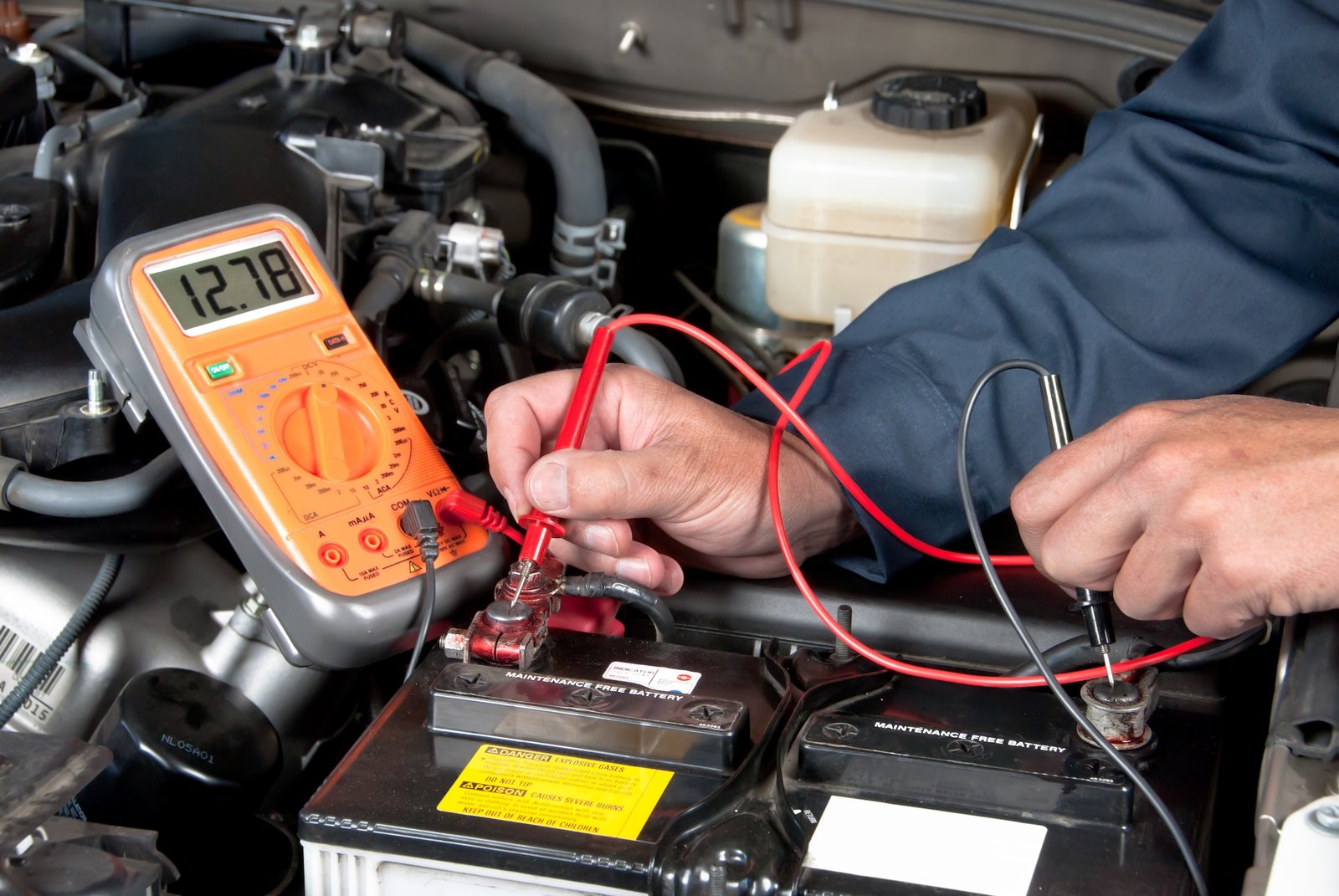
Your vehicle battery is one of the most critical components for reliable operation, yet it is often overlooked until it fails. As winter approaches, paying attention to battery health becomes even more important. In this month’s blog post, we review the five warning signs of battery trouble, and what to do about it so that you are not stranded on the road.
Five Warning Signs of Battery Trouble
Cold temperatures place extra strain on a battery, making it harder to deliver the power needed to start your vehicle. At the same time, the hot summer months can weaken a battery by accelerating internal corrosion and evaporating essential fluids. Addressing battery concerns before winter ensures that your vehicle will start when you need it most.
Here are five warning signs to look for if your battery is failing:
- Slow Engine Crank: If your vehicle takes longer than usual to start, or the engine cranks sluggishly, the battery may be losing its ability to hold a charge.
- Dim Lights and Electrical Issues: Headlights, dashboard lights, or other electrical systems that appear dim or flicker are often signs of a weakening battery.
- Frequent Jump Starts: Needing to jump start your vehicle more than once in a short period is a clear indication that the battery is nearing the end of its life.
- Swollen or Leaking Battery Case: Exposure to extreme heat can cause the battery case to swell or leak. This physical damage reduces performance and can be dangerous if ignored.
- Warning Light on Dashboard: Many vehicles have a battery or charging system warning light. If this illuminates, it is time to have the battery and alternator inspected.
Why Timing Matters
Winter cold reduces a battery’s capacity, while summer heat accelerates wear. A battery that is already weak after a hot summer may fail completely once temperatures drop. Vehicle owners who address battery concerns before winter can avoid being stranded in freezing conditions.
Battery Maintenance Tips
- Regular Testing: Have your battery tested at least once a year, ideally before winter.
- Clean Connections: Corrosion on terminals can block the flow of electricity. Clean them with a brush and baking soda solution.
- Secure Mounting: Ensure the battery is firmly mounted to prevent vibration damage.
- Limit Short Trips: Frequent short drives may not give the alternator enough time to recharge the battery.
- Replace When Needed: Most vehicle batteries last three to five years. Replace yours before it fails completely.
A failing battery rarely improves on its own. By recognizing the warning signs and performing regular maintenance, vehicle owners can ensure dependable performance throughout the winter season. Proactive care saves time, money, and frustration, while keeping your vehicle ready for every journey. If you would like to have your battery inspected and/or replaced, contact the service professionals at Colonial Service Station to schedule an appointment.