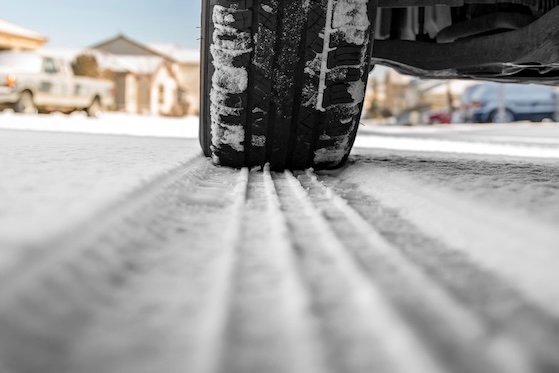
Winter driving in Staten Island brings a familiar challenge: road salt damage. While salt is essential for keeping bridges, parkways, and neighborhood streets safer during snow and ice events, it also creates one of the most corrosive environments your vehicle will encounter all year. In this month’s blog post, we examine the ways that road salt can damage your vehicle and provide proactive steps to mitigate serious mechanical problems.
Where Salt Causes the Most Damage
Throughout the colder months, the New York City Department of Transportation and New York State Department of Transportation apply salt and liquid brine to improve traction and reduce accidents. Once that salt adheres to the undercarriage of your vehicle, it begins attracting moisture. This combination of salt, water, and fluctuating temperatures accelerates rust formation and corrosion.
Most winter-related corrosion starts underneath the vehicle, where it often goes unnoticed. The following components are especially vulnerable:
- The Frame and Suspension: Critical structural elements that can weaken over time.
- Brake and Fuel Lines: Exposure can lead to leaks and dangerous system failures.
- The Exhaust System: Corrosive buildup often leads to holes and loud operation.
Wheel wells, rocker panels, and the lower edges of doors are also common trouble spots. In Staten Island, where coastal air already carries moisture and salt, the corrosion process can move even faster. Small paint chips caused by sand and debris expose bare metal, creating an entry point for rust to spread.
Warning Signs of Salt Damage
Salt damage usually develops gradually rather than suddenly. Vehicle owners should remain vigilant for these indicators:
- Surface Abnormalities: Bubbling or peeling paint, especially near the wheel arches.
- Visible Oxidation: Rust forming along seams or under the doors.
- Audible Changes: Louder exhaust noise, which may indicate structural corrosion.
- Mechanical Feedback: Changes in braking performance, such as grinding or pulling.
Even minor surface rust can expand quickly if it is left untreated, affecting both the safety and the long-term value of the vehicle.
Strategies to Reduce Winter Salt Exposure
While salt exposure is unavoidable during a New York winter, damage can be minimized with consistent care.
- Wash the Vehicle Regularly: Frequent washing is the most effective defense. Undercarriage washes are especially important to remove salt buildup from hidden components. During heavy salting periods, washing every one to two weeks is advisable.
- Apply Protective Coatings: A professional wax or paint sealant adds a protective barrier against moisture. Underbody rustproofing treatments can provide additional defense, particularly for vehicles exposed to coastal conditions.
- Address Paint Damage Promptly: Repair chips and scratches as soon as possible to prevent corrosion from spreading beneath the surface.
- Schedule Professional Inspections: A seasonal inspection during and after winter can help detect corrosion early, before it leads to more extensive and expensive repairs.
Protecting Your Investment
Winter in Staten Island can be harsh. The combination of snow, salt, and coastal humidity creates ideal conditions for corrosion. However, with proactive maintenance and regular cleaning, vehicle owners can significantly reduce winter damage and ensure their vehicle remains safe for years to come. Contact the professionals at Colonial Service Station today to schedule your vehicle’s inspection for damage from winter weather and road salt.